
 0
0
 0
0
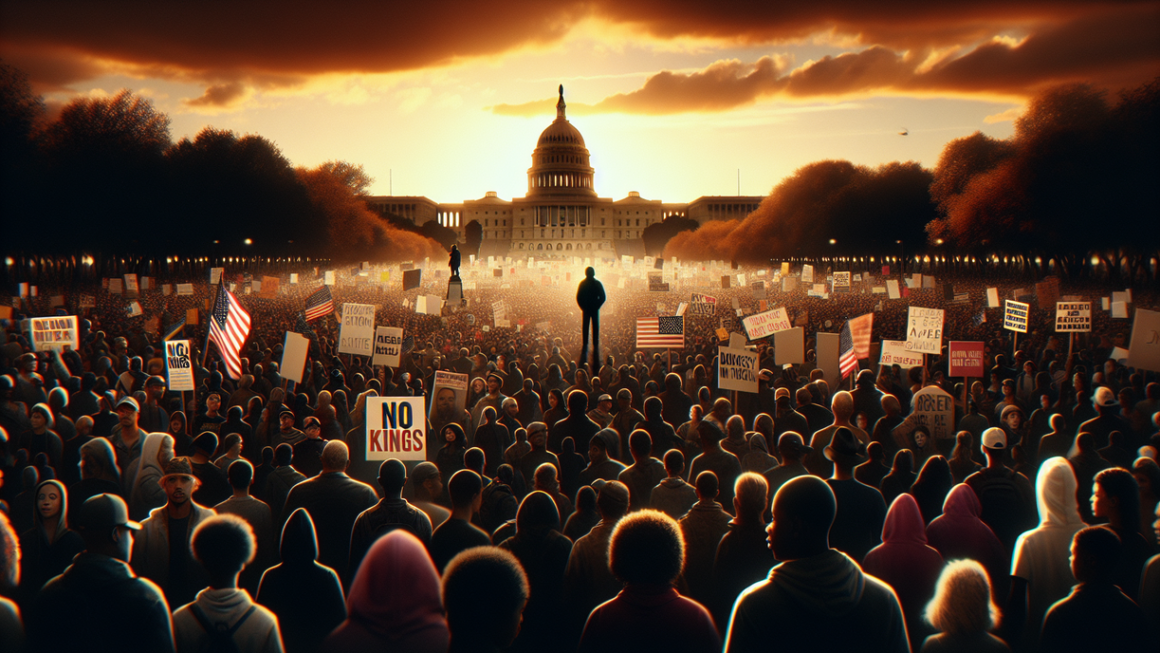
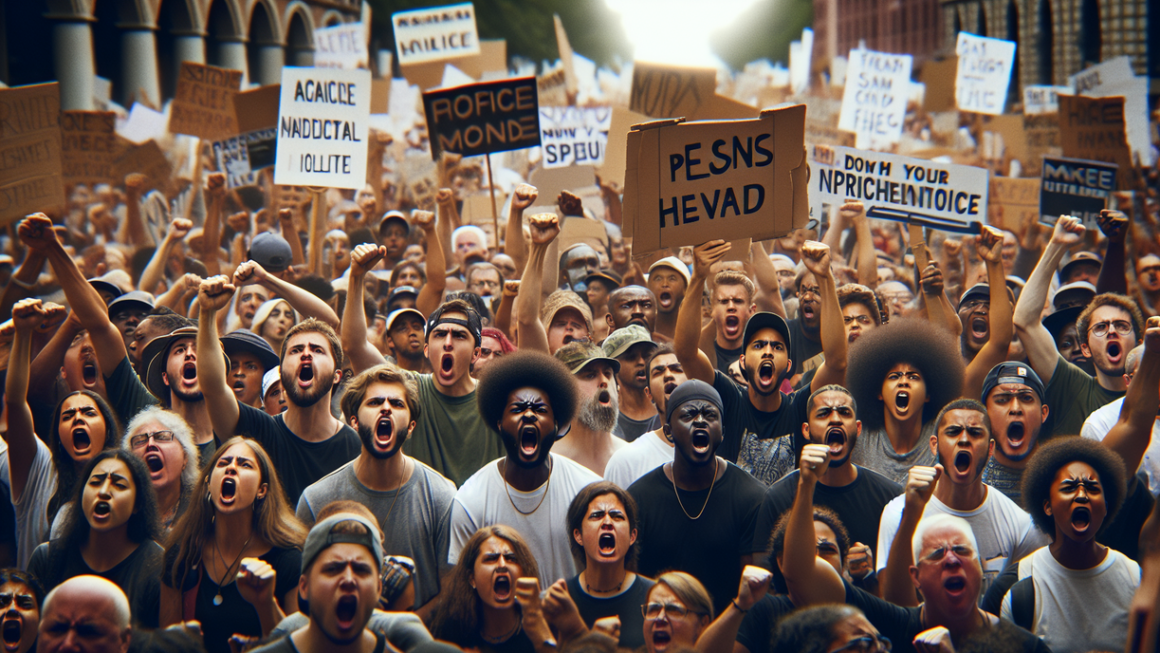
www.crystalskullworldday.com – Across the region, a wave of protest has turned streets, plazas, and courthouse steps into urgent forums on state power and immigrant rights. Demonstrators gathered not only to mourn recent victims of ICE-related violence, but also to challenge a system they see as hostile, opaque, and unaccountable. Images from these marches reveal homemade signs, guarded federal buildings, and communities united by grief as well as resolve.
The spark for this region-wide mobilization came after the fatal shooting of Renee Good in Minneapolis, followed by the wounding of two protesters during a demonstration in Portland. For many, these incidents did not appear isolated. Instead, they symbolized a pattern of force directed at vulnerable residents and those who support them. The region has become a focal point for a broader national debate over immigration enforcement and civil liberties.
How One Region Became a National Flashpoint
Protests rarely appear from nowhere; they grow from long-standing tension and accumulated harm. This region has seen repeated clashes over immigration enforcement practices, courthouse arrests, and aggressive tactics near transit hubs. Local organizers describe a slow build: neighborhood meetings, know-your-rights workshops, and mutual aid networks that laid groundwork long before national headlines noticed. So when Renee Good died during an ICE operation, many residents felt a tragic confirmation of their worst fears.
Minneapolis already carried the emotional weight of earlier police shootings. That history shaped how people interpreted Good’s death. For community members, it fit a broader narrative of armed agents meeting residents with overwhelming force, often where trust was already thin. The region’s streets became a space for storytelling as much as protest. Every chant and banner mapped personal experience onto policy debate, showing how enforcement choices echo through daily life.
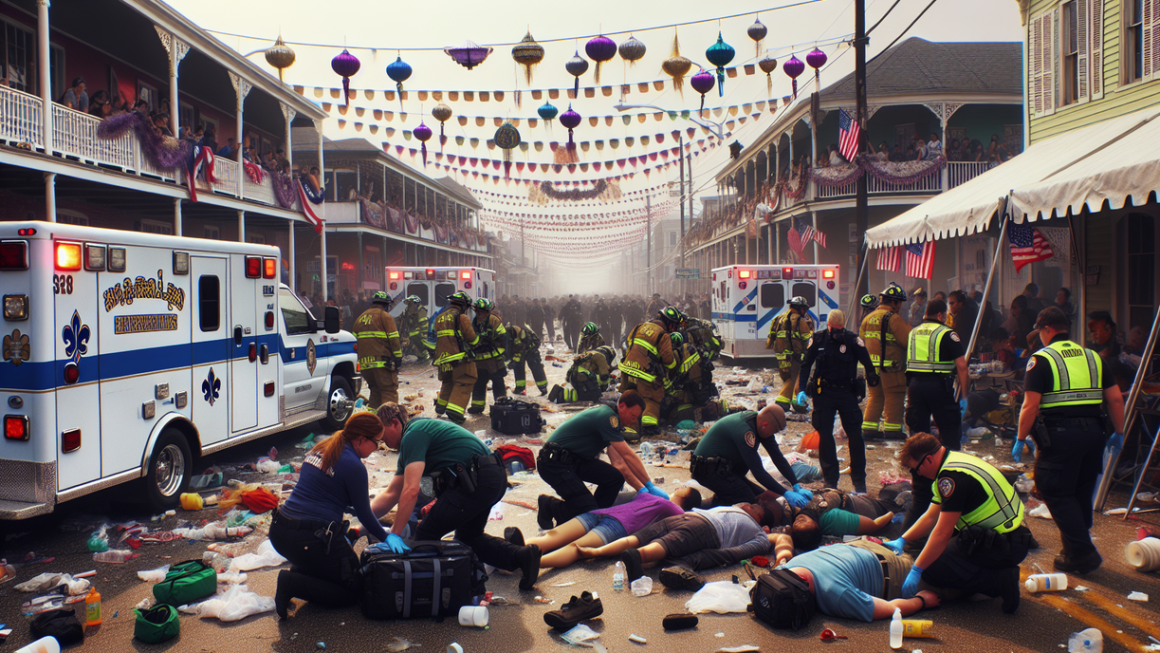
Portland added another painful chapter when two protesters suffered gunshot wounds during a demonstration. Photos from the scene show makeshift medical stations, volunteers guiding crowds, and a quick shift from rally to crisis response. Those images traveled quickly, amplifying outrage across the region. For many observers, the sight of blood on protest signs crystallized fears about shrinking space for dissent. A question hung over the region: if even peaceful assembly draws fire, where can accountability begin?
Protest Images that Redefined a Region
Photographs from these region-wide demonstrations do more than document events; they shape collective memory. One striking image shows a line of parents pushing strollers, flanked by clergy holding candles. Behind them, a courthouse looms, ringed with metal barricades. The scene captures a core tension: ordinary life pressed against fortified state power. When viewers across the region saw that photograph, they did not just see a protest; they saw themselves, their neighbors, or their fears reflected back.
Another widely shared image features a young organizer standing on a concrete barrier, megaphone raised, face lit by the glow of phone screens. Around her, hundreds of people record, stream, and photograph every word. The region has become fluent in visual protest, using cameras as both shields and amplifiers. That constant documentation undermines official narratives built on secrecy. It also distributes emotional labor, allowing distant residents to witness scenes they might not dare to join in person.
Some of the most poignant photos come from quieter corners of the region: small towns where a few dozen residents gather on courthouse lawns. Hand-painted signs lean against aging brick buildings. Children chalk messages on sidewalks while elders sit in folding chairs, watching. These images complicate the idea that only big cities resist ICE. They reveal a region knit together by shared concern, despite differences in size, politics, or demographics. The result feels less like scattered events, more like a single, extended conversation about power, safety, and belonging.
Personal Reflections on a Region at a Crossroads
From my perspective, this region now stands at a crossroads where images, grief, and organizing converge into a test of democratic values. Protests sparked by Renee Good’s death and the wounding of Portland demonstrators force residents to decide whether immigration enforcement should operate as a shadow system or a public institution bound by transparent rules. The photographs show pain, but they also reveal a stubborn insistence on visibility: families refusing to disappear, allies refusing silence, local officials forced to respond. Whatever policy shifts follow, the region has already changed itself by insisting that every life touched by enforcement—citizen, immigrant, protester, or bystander—deserves public reckoning rather than quiet erasure. That insistence may be this moment’s most lasting legacy.