

 0
0
 0
0
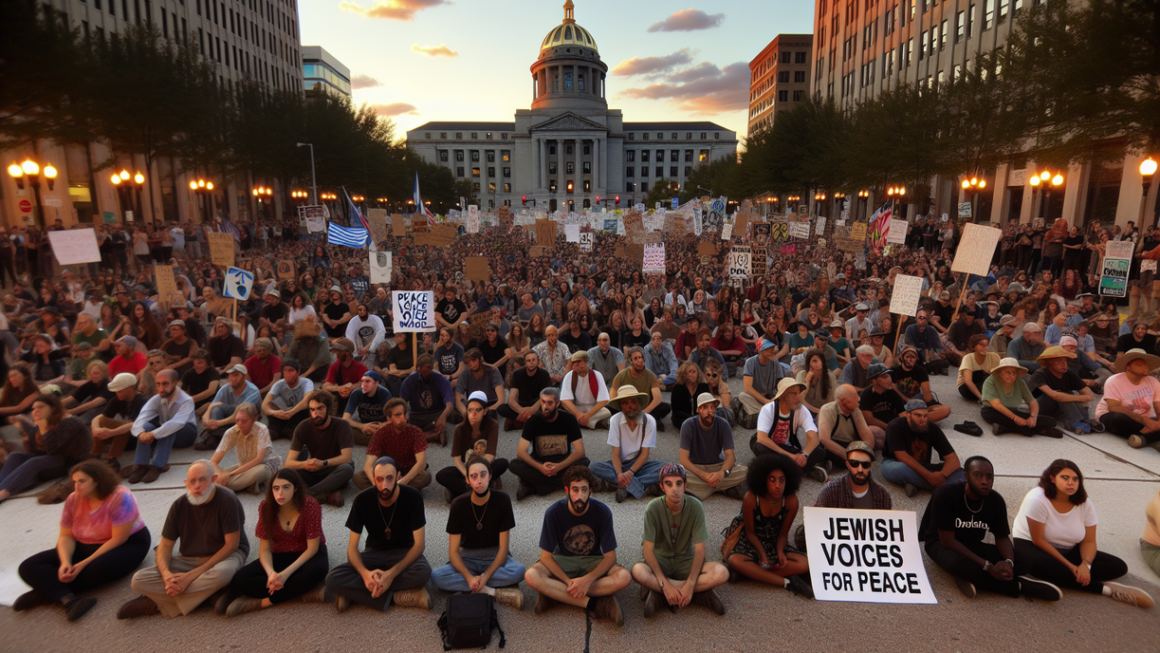
www.crystalskullworldday.com – National politics in the United States rarely unfolds only in hearing rooms and on cable news. This week, it spilled onto the marble floors of a Senate office building, where dozens of demonstrators were arrested after demanding that Senators Chuck Schumer and Kirsten Gillibrand stop a proposed sale of bombs to Israel. Organized by Jewish Voices for Peace, the sit‑in drew hundreds of participants who framed their action as a moral intervention in foreign policy debates usually decided far from public view.
The protest highlighted a growing struggle inside national politics over U.S. support for Israel’s military campaigns. For years, arms transfers moved forward with minimal resistance from lawmakers in both parties. Now activists, many of them Jewish and openly antiwar, are confronting senior Democrats who shape foreign policy budgets and authorizations. Their message is blunt: constituents want a say in how American weapons are used abroad, and they are willing to risk arrest to be heard.
How a Capitol protest shook national politics
The sit‑in targeted Schumer and Gillibrand not just as New York senators, but as influential players in national politics. Schumer, as Senate majority leader, helps decide which resolutions reach the floor and how quickly weapons packages advance. Gillibrand serves on key committees that oversee military affairs. By stationing themselves outside these offices, protesters tried to interrupt the usual quiet rhythm of arms approvals, placing visible moral pressure on two figures perceived as gatekeepers for the proposed bomb sale.
Participating groups emphasized that their action was not symbolic theater for social media. They framed civil disobedience as a necessary response to a political system where powerful lobbying networks often overshadow grassroots concern. Cameras captured images of protesters wearing shirts and holding banners that called for a ceasefire and an end to U.S. complicity in civilian casualties. Those visuals traveled quickly across platforms, illustrating how direct action can radiate outward into national politics long after police zip ties come off.
Authorities eventually detained dozens of activists, charging many with trespassing or related offenses. From a legal perspective, the arrests followed a predictable script. From a political perspective, however, they told a different story. When ordinary citizens are arrested inside their own Capitol complex over foreign policy demands, the event underscores a disconnect between establishment consensus and the values of parts of the electorate. That gap is becoming harder for national leaders to ignore, particularly as younger voters express skepticism toward unconditional military aid.
Jewish Voices for Peace and a shifting moral narrative
Jewish Voices for Peace has emerged as a prominent force in national politics because it disrupts a long‑standing stereotype: that Jewish opinion in the United States reliably supports every Israeli military action. The organization positions itself as both proudly Jewish and firmly opposed to occupation and large‑scale bombardment. By leading the sit‑in, it challenged the assumption that criticism of Israeli policy is inherently antisemitic. That distinction carries heavy weight in Washington, where many officials still shy away from questioning military assistance to Israel.
From my perspective, the group’s strategic importance lies in its ability to reframe the moral lens through which national politics views the conflict. When Jewish activists declare that “not in our name” applies to aerial bombings, they undercut a powerful rhetorical shield used to defend arms sales. This creates room for non‑Jewish lawmakers and advocates to raise similar concerns without immediate accusations of prejudice. The shift will not happen overnight, yet these demonstrations help normalize nuanced positions that once seemed taboo.
The protest also revealed how moral arguments can collide with institutional habits. Many senators operate within a foreign policy culture shaped by Cold War alliances, security guarantees, and powerful defense contractors. Jewish Voices for Peace speaks a language of human rights, historical trauma, and solidarity with Palestinians facing displacement and death. These two vocabularies meet on the same stage of national politics, but they do not share assumptions. The outcome of that clash may determine whether future arms deals proceed as routine or attract intense scrutiny.
What this moment means for U.S. national politics
The Capitol sit‑in over the bomb sale is more than a one‑day headline; it is a symptom of deeper realignment inside U.S. national politics. For decades, support for large military aid packages to Israel functioned as bipartisan common sense. That consensus now faces challenge from an energized coalition of progressives, faith‑based groups, and younger voters who question the ethics of supplying bombs when casualty counts among civilians rise. Lawmakers must decide whether to treat these protests as fringe noise or as early warnings of an electoral shift. My own view is that ignoring this pressure would be a serious miscalculation. As images of arrests circulate, they invite voters to ask why foreign policy choices, often framed as technical necessity, require such extraordinary efforts from citizens simply trying to stop more bombs from falling. In a democracy, that question will not stay confined to the corridors of the Capitol; it will echo through primaries, town halls, and future debates over who truly sets the moral compass of American power.