
 0
0
 0
0
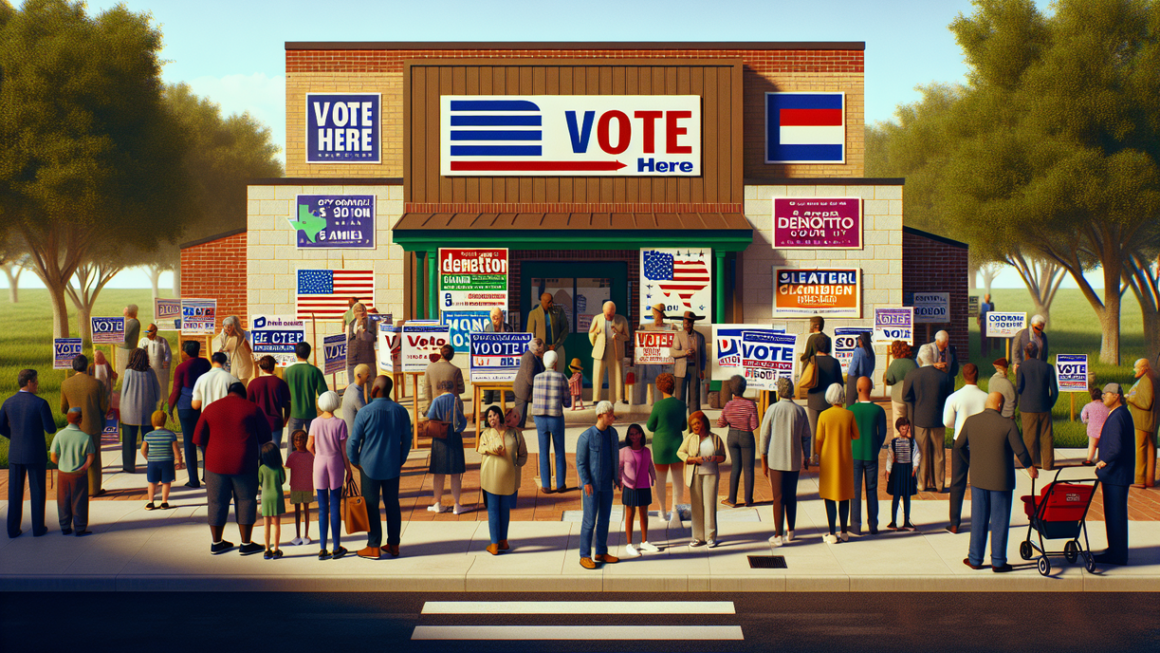
www.crystalskullworldday.com – Early voting has arrived in Denton County, and with it comes a powerful muni decision that will quietly shape everyday life for years. School board contests, bond propositions, and city races may not dominate national headlines, yet their outcomes reach directly into classrooms, neighborhoods, and local wallets. When residents cast ballots in this May 2 election, they are not only selecting leaders but also defining community priorities.
This election season is more than a routine civic chore; it is a local crossroads. Each muni decision on the ballot reflects deeper questions about values, spending, and shared responsibility. Whether you are new to the area or a lifelong resident, understanding what is at stake before you vote can transform a simple trip to the polls into a deliberate act of community building.
What This Muni Decision Election Really Covers
The current ballot in Denton County centers heavily on school boards, local propositions, and municipal leadership positions. Each muni decision in these categories holds specific consequences, from class sizes and teacher pay to street maintenance schedules. It is easy to overlook such races, yet the impact often feels more immediate than outcomes at higher levels of government. These choices bend the arc of local policy in subtle but lasting ways.
School board races typically draw less attention, though they control large budgets and set academic direction. A single muni decision about curriculum priorities can alter which programs receive funding or which activities are cut. Parents often feel these outcomes first, but future employers, homeowners, and students also live with the long-term results. That makes patient research into each candidate critical, even if campaign materials appear thin.
Beyond education, city council and other municipal roles determine how efficiently services run. When a muni decision involves utility rates, zoning adjustments, or public safety staffing, it touches residents across every demographic. These issues might sound technical, yet their real-world impact shows up on monthly bills, new building projects, and emergency response times. Voting with knowledge means looking past slogans to study the fine print.
Why Early Voting Matters for Every Muni Decision
Early voting offers more than convenience. It stretches the decision window so residents can weigh each muni decision carefully, free from last-minute pressure. Many people feel rushed on official election day, squeezing research between work, family needs, and long lines. Casting a ballot earlier removes some of that stress and leaves space to verify information. Participation tends to rise when access is easier, which strengthens the legitimacy of every outcome.
Turnout in local contests usually lags far behind national cycles. That means a relatively small group can shape each muni decision for the wider population. From a democratic perspective, this imbalance feels risky. The fewer people who vote, the greater the chance that organized interest groups dominate results. Early voting becomes a counterweight, giving quieter, busy, or less politically active residents more chances to be heard.
From my viewpoint, early voting also encourages deeper reflection on trade-offs. For instance, a bond proposal might fund new schools or infrastructure improvements while raising taxes slightly. With additional days to think, residents can evaluate whether that muni decision aligns with long-term priorities. They can compare school crowding levels, building conditions, and financial forecasts without feeling rushed by a single deadline.
Key Questions to Ask Before Casting Your Ballot
Approaching each muni decision with a structured set of questions can clarify your thinking. Start by asking who benefits and who bears the costs, whether financial or social. Review candidate histories: how have they handled conflict, budget constraints, or community feedback? For bond and policy measures, examine not just the headline promises but also how implementation will work. Consider how choices today will look five or ten years from now, when students graduate, neighborhoods mature, and economic conditions shift. Finally, reflect on your own role: are you voting only for personal gain, or for a healthier community overall? That internal conversation may be the most important part of this election.
School Boards: The Most Overlooked Muni Decision
Among all items on the ballot, school board races might represent the most underestimated muni decision. These boards oversee millions in funding and shape the environment where thousands of children learn daily. They decide on staffing levels, safety policies, facility upgrades, and academic strategies. When voters skip these races or rely on name recognition alone, they hand powerful influence to chance rather than informed judgment.
Consider how a school board’s muni decision can ripple through a community. Approvals for new buildings can relieve overcrowded classrooms yet also alter neighborhood traffic patterns. Budget adjustments might protect arts programs or expand career training opportunities. Disagreements over curriculum often reflect wider cultural debates, but the local outcome determines what educators can actually teach. These choices mold future graduates, which in turn affects the local workforce and property values.
My personal assessment: engaged school boards usually correlate with healthier communities. When trustees communicate clearly, listen to parents, and collaborate respectfully with educators, the district navigates challenges more effectively. Voters should study candidate forums, endorsements, and public meeting records. Treat each school board race as a high-stakes muni decision, not a footnote at the bottom of the ballot. Children will live with the consequences longer than any adult in the voting booth.
Civic Habits That Strengthen Every Muni Decision
Building strong civic habits can turn a single election into a continuous learning process. Start by reading sample ballots early, so every muni decision becomes familiar before you reach the voting booth. Pair this with visits to nonpartisan resources, local news sites, official city pages, and candidate Q&A sessions. When you collect information from multiple sources, you reduce the risk of being swayed by a single dramatic headline or clever advertisement.
Conversations also matter. Talking with neighbors, teachers, small business owners, and students can reveal how each muni decision might play out in daily life. One person might highlight a school facility issue, another might share concerns about road conditions or library funding. These shared stories provide context that raw numbers cannot capture. They show how policy shifts meet real human circumstances, both positive and negative.
Personally, I see voting as part of a larger rhythm of engagement. Attend at least one public meeting each year, whether school board, city council, or a community forum. Track how officials implement past promises and respond when conditions change. This steady attention creates accountability. It also prepares you for the next muni decision, since you already understand current challenges and the track records of leaders asking for support again.
Reflecting on Your Role in This Muni Decision Moment
As early voting opens, Denton County residents face more than a list of names and propositions. They stand before a series of interconnected choices that define shared spaces, learning environments, and local priorities. Each muni decision on the ballot is an invitation to imagine what kind of community will exist five or ten years from now. Casting a ballot becomes a personal statement about responsibility, trust, and hope. Pause before you mark each option, think about the neighbors who cannot vote yet—especially children—and imagine how they will live with today’s outcomes. When the election ends and results become history, your voice will be part of the story that shaped this place.