
 0
0
 0
0
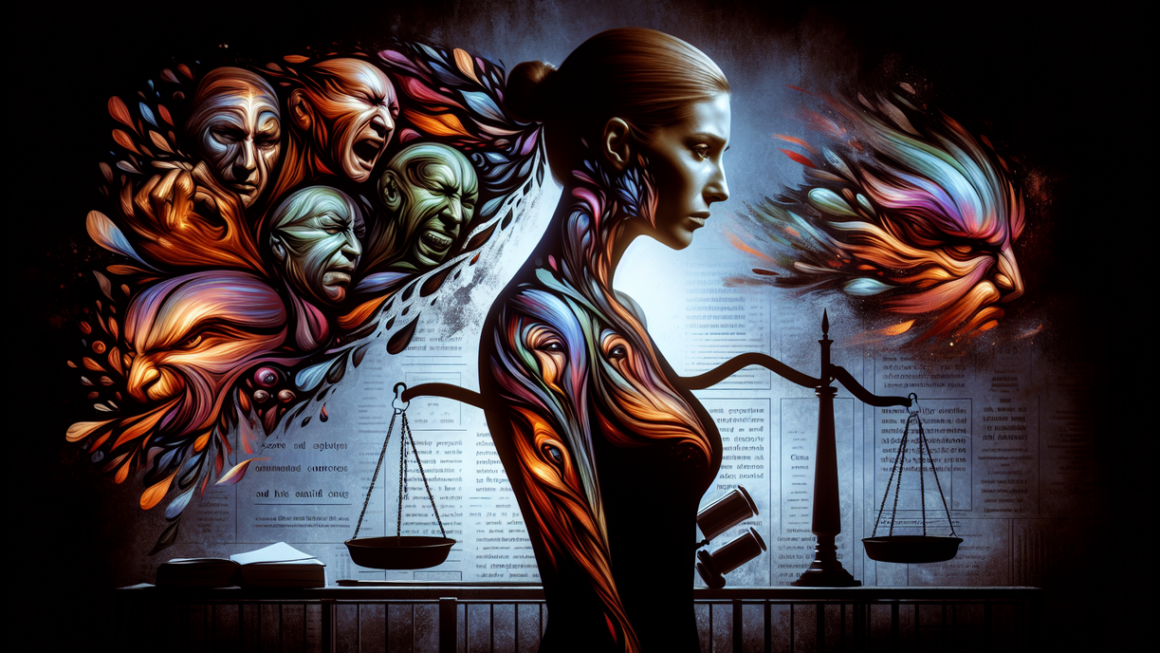
www.crystalskullworldday.com – The recent story of a self‑identified feminist proudly announcing her fourth abortion shocked many people. Yet the most disturbing layer appears not only in the act itself but in the wider content context surrounding it. We are watching a digital culture where human life before birth often becomes a prop for ideological performance, applause, or outrage.
When a woman publicly celebrates ending multiple pregnancies, it reveals more than a private decision. It exposes a content context that rewards provocation, dehumanizes unborn children, and mocks those who try to defend them. To understand how we reached this point, we need to examine the narratives driving such pride, the online echo chambers nurturing hostility, and the moral numbness spreading through our feeds.
How Content Context Shapes the Abortion Narrative
In today’s media environment, content context influences how people interpret almost every moral issue, including abortion. Platforms amplify extreme voices because anger, sarcasm, and shock generate clicks. In that noisy arena, a woman celebrating her fourth abortion does not stand alone; she becomes an algorithmic success story. Her content thrives because it fits the platform’s reward system, where engagement matters more than empathy.
When a clip or post treats unborn children as jokes, trophies, or burdens, the surrounding content context encourages viewers to respond with laughter or applause, not sober reflection. Subtle cues, such as mocking language, stylish visuals, and triumphant music, tell audiences which side deserves approval. These cues gradually shift perception, so what once looked tragic now appears empowering or even entertaining.
Over time, such framing reshapes moral intuitions. People form beliefs not only from arguments but from repeated exposure to stories with similar emotional tones. If most visible representations of abortion portray it as a bold act of self‑expression, sympathy for the unborn recedes. A digital climate that esteems provocation more than truth transforms a deeply personal loss into a moment for self‑branding.
Hostility Toward the Unborn and Their Defenders
The same content context that applauds abortion boasts often drips with hostility toward unborn children and those who speak for them. Criticism of such celebrations routinely gets dismissed as “misogyny” or “religious extremism,” even when expressed with compassion. Instead of engaging arguments about human dignity, defenders of life meet insults, caricatures, and attempts at public shaming.
Images of fetal development rarely appear in sympathetic formats. When they surface, they often come packaged with scorn, as if caring about a child before birth exposes someone as naive. This treatment sends a clear message: concern for unborn life deserves ridicule, not respect. That mindset flourishes because the digital content context assigns higher status to people who mock than to people who mourn.
I see a tragic irony in this hostility. Many who champion social justice for the vulnerable quickly withdraw empathy once a human being resides in the womb. They rightly denounce cruelty to animals or neglect of marginalized groups, yet show open contempt toward advocates for unborn children. This selective compassion suggests that the problem lies not in the idea of protecting the weak, but in a narrative that strips the unborn of any claim to personhood.
My Personal Perspective on a Culture Numb to Life
From my vantage point, the feminist boasting of her fourth abortion is not simply an isolated moral failure; she is also a symptom of a culture numbed by its own content context. When every experience must become shareable content, life itself turns into raw material for performance. I believe societies cannot stay healthy when they celebrate the destruction of their youngest members while silencing those who grieve for them. We need a different digital climate, one where honesty about trauma replaces ironic bravado, where difficult pregnancies invite real support instead of applause for elimination, and where both women and unborn children receive equal recognition as human beings worthy of care. Only then can we move beyond hostility and toward a more humane, reflective way of engaging with the most fragile lives among us.