
 0
0
 0
0
www.crystalskullworldday.com – The Louisiana Lao New Year Celebration in Coteau was meant to showcase culture, food, and joyful content for families. Instead, panic spread when a vehicle suddenly drove into the crowd, turning a moment of unity into a scene of chaos. Emergency teams rushed in, and Acadian Ambulance later confirmed that at least 13 people required transport to nearby hospitals. What should have been a peaceful gathering became a stark reminder of how fragile safety can feel.
As stories from witnesses began to surface, raw content of fear, confusion, and resilience emerged. People described screams, scattered shoes, overturned chairs, and stunned silence following the impact. Yet amid the shock, bystanders turned into helpers, offering first aid, comfort, and prayers. This article explores the unfolding content of that day, how the community is coping, and what this incident means for future cultural events.
Content of a celebration turned emergency
The Louisiana Lao New Year event in Coteau drew families from across the region, eager to share music, blessings, and community content. The parade served as a visual center of the festivities, with floats, traditional clothing, and children waving flags. For many, this holiday preserves identity and heritage in a new homeland. People lined the streets expecting only laughter, photos, and festive memories. No one anticipated that a vehicle would suddenly cut through that joyful content.
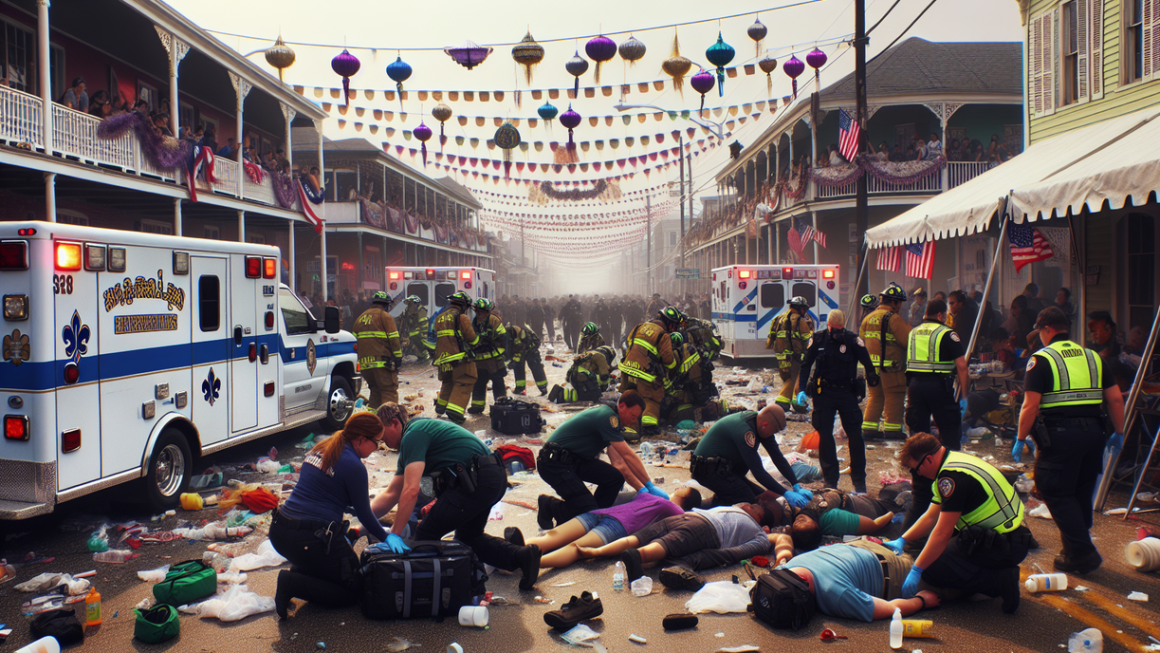
When the vehicle entered the parade area and struck attendees, the celebratory content dissolved into confusion within seconds. Witnesses reported hearing a loud impact, then instant screaming and frantic calls for help. Some rushed to pull others away from the path of the vehicle, while others tried to understand what had just happened. In those crucial moments, the content of the event changed from performance and ritual to survival and response. That rapid shift left many emotionally shaken, even if they were not physically injured.
Acadian Ambulance crews responded quickly, loading injured participants and spectators into ambulances for urgent transport. Their medical content involved triaging patients, stabilizing severe injuries, and coordinating with local hospitals. Officials have not disclosed every detail about the driver, motive, or potential charges, since investigations continue. Still, the confirmed count of at least 13 transported people highlights the scale of the impact. For a tight-knit cultural gathering, even one injury would have been too much; double digits created a deep sense of collective trauma.
Community content: fear, solidarity, and questions
In the hours after the crash, community content across social media reflected a mixture of fear, anger, and empathy. Local residents posted updates, checked on loved ones, and shared information about hospital locations. Some pleaded for accurate details, worried about rumors overshadowing truth. Others concentrated on sharing helpline numbers and blood donation information. This digital content became an improvised lifeline for families waiting for calls from hospitals or authorities. It shows how modern communication can soften the edges of crisis, even if it cannot erase the pain.
Beyond information sharing, the emotional content of conversations focused on solidarity. Local leaders, religious figures, and event organizers expressed sorrow for those injured and their families. Many praised bystanders who rushed toward danger to assist the wounded, rather than away from it. That narrative matters, because it shapes how the community remembers this day: not only as a tragedy, but also as a moment when courage surfaced. In my view, this shared content of bravery will be essential for healing, especially for children who witnessed the crash.
At the same time, difficult questions emerged, adding a more critical layer of content to public dialogue. People asked whether barriers, traffic control, or security plans were sufficient. They wondered how a vehicle could reach the crowd so easily. These questions do not stem from blame alone; they arise from a desire for safer events in the future. Personally, I believe communities have to balance cultural openness with stronger safety content, such as clear escape routes, sturdier barricades, and on-site mental health support after incidents like this.
Learning from the content of tragedy
When a parade meant to celebrate heritage ends with ambulances and sirens, the emotional content lingers far longer than the news cycle. For survivors and witnesses, flashbacks may return whenever they hear loud engines or crowded festival sounds. Organizers now face the task of rebuilding trust, not only by improving physical security measures, but also by addressing psychological wounds. Reflecting on this event, I see it as a painful reminder that joy and vulnerability often occupy the same space. The most meaningful response will come from communities turning this hard-learned content into practical change, while still honoring the resilience, generosity, and cultural pride that first brought everyone together.