

 0
0
 0
0
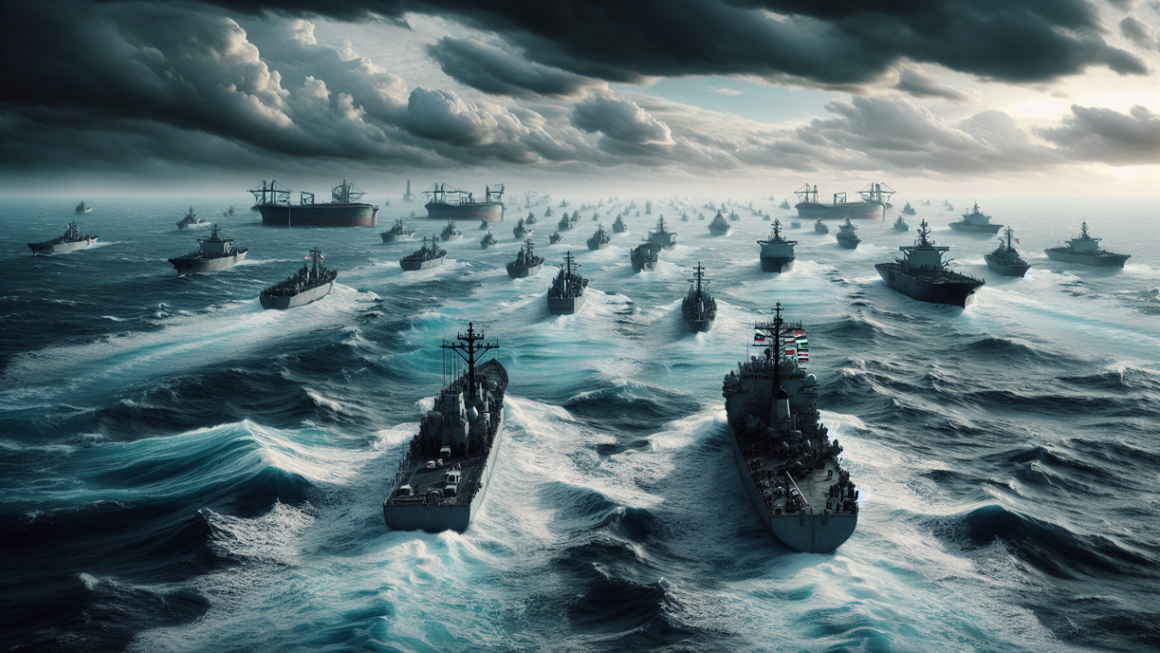
www.crystalskullworldday.com – The Strait of Hormuz region once again sits at the center of global anxiety. Former U.S. President Donald Trump has urged allied governments to dispatch warships to secure this narrow maritime corridor, yet no state has stepped forward with firm commitments. This hesitation exposes both the volatility of the region and the limits of Washington’s ability to rally others behind risky security operations.
As oil tankers pass through this strategic region each day, markets track every incident, every threat, every diplomatic misstep. The absence of concrete pledges suggests that many capitals see more danger than benefit in visibly taking sides. The region has become a test of how far governments are prepared to go to protect trade routes without becoming entangled in wider confrontation.
Why the Strait of Hormuz Region Matters
The Strait of Hormuz region functions like the world’s energy valve. A large share of globally traded crude oil passes through this slim passage between the Persian Gulf and the Gulf of Oman. When that valve appears threatened, shipping premiums spike, insurance companies recalculate risk, and energy-importing states worry about price shocks. Stability across the region does not only concern local rivals; it affects households paying electricity bills in Europe, Asia, and beyond.
This region concentrates multiple fault lines at once. Iran lies on one side, while U.S. partners and military bases sit on the other. Rival maritime patrols, drones, and commercial convoys weave through the same waters. Even minor incidents can escalate quickly because every actor believes the region shapes its security narrative. Miscalculations at sea can ripple far beyond the horizon, driving regional powers closer to confrontation.
Trump’s call for warships brings these tensions into sharper focus. By framing the region as a zone that needs more visible firepower, he reinforces a long-running pattern: treat security in the region primarily through military presence. Yet many governments now question whether more vessels automatically deliver more safety. They must weigh the symbolic value of showing up in the region against the risk of being dragged into incidents not entirely under their control.
Why Allies Are Hesitant to Commit Warships
The muted response to Trump’s appeal reveals how foreign capitals view the region at this moment. Some allies already contribute to separate naval coalitions that patrol nearby seas or escort commercial vessels on a case-by-case basis. Joining a new, Trump-promoted mission would raise political questions at home. Leaders must convince voters that sending ships into a tense region serves national interests rather than personal agendas of a former U.S. president.
There is also fatigue with open-ended security commitments across the region. Europe, for example, confronts its own war on the continent, migration pressures, and economic headwinds. Many policymakers argue that each new deployment in the region adds financial burdens and opportunity costs. Ships sent to patrol those waters are ships not available for other theaters. In an era of stretched budgets, every maritime operation must justify itself with clear outcomes.
Another factor is mistrust of escalatory dynamics. The region has seen tanker seizures, drone shootdowns, covert sabotage, and fierce rhetoric from multiple sides. If an incident occurs near a foreign frigate bearing a European or Asian flag, both reputations and alliances come under strain. Governments fear that a presence meant to stabilize the region might instead become a magnet for provocation, especially from actors eager to test the resolve of Western states or exploit internal divisions.
My Take on Security in a Volatile Region
From my perspective, the debate over deploying warships to the Strait of Hormuz region highlights a deeper problem: the world still treats this region as a permanent crisis zone rather than a shared responsibility. Extra destroyers might deter some threats, yet they do not fix the underlying mistrust between coastal states, global powers, and local communities that rely on these waters. A more sustainable approach would combine limited, clearly defined patrols with serious diplomatic investment, regional dialogue on maritime rules, and economic initiatives that tie each state’s prosperity to the stability of this crucial region. Without that broader vision, every new call for warships risks repeating the same cycle of tension, reaction, and uneasy calm.