
 0
0
 0
0
www.crystalskullworldday.com – Across the united states, a fresh clash over free expression has erupted after a Trump administration official publicly warned the Seattle mayor not to target citizen journalists. The message was blunt: government leaders should “govern yourselves accordingly” or risk crossing a constitutional red line. At stake is far more than a local dispute; this fight reflects a growing national struggle over who gets to record events, tell the story, and shape public perception during turbulent times.
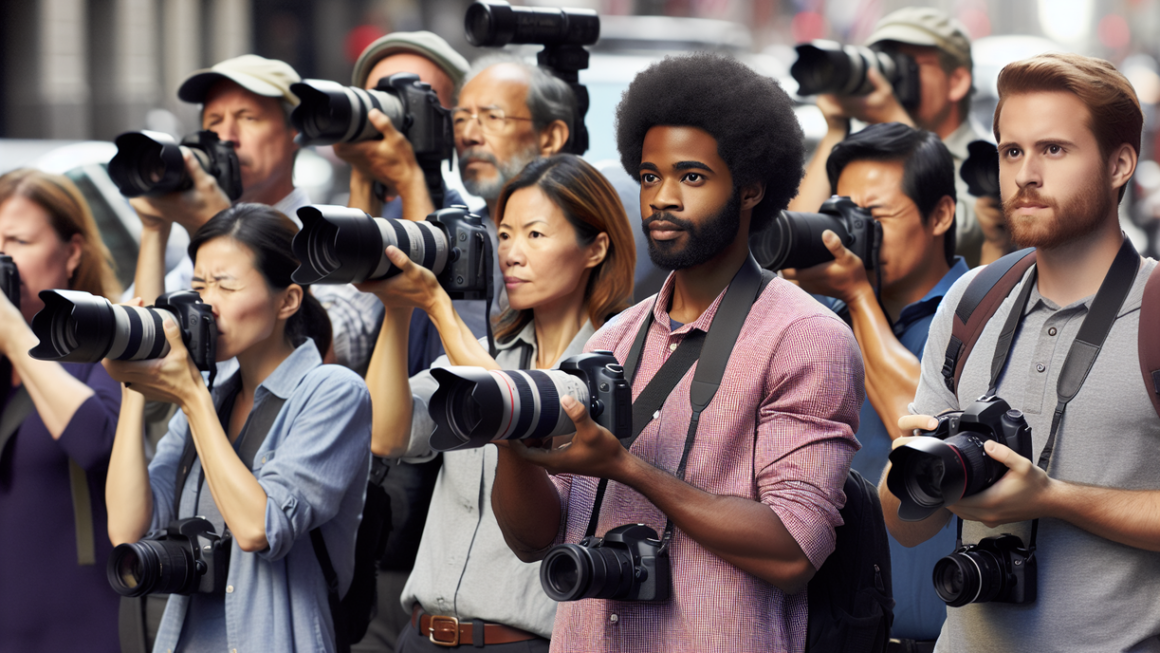
While legacy outlets still dominate much of the conversation across the united states, citizen journalists have become crucial during protests, riots, and public emergencies. Their raw video feeds, livestreams, and on-the-ground commentary often surface long before any traditional crew arrives. Yet local authorities sometimes see these independent voices as obstacles to control, not partners in transparency. That tension now sits at the center of a high-profile warning aimed directly at Seattle’s leadership.
Power, Protests, and the Battle for the Narrative
Seattle has become a symbolic battleground for wider cultural conflicts across the united states. Crowded demonstrations, tense confrontations, and shifting police tactics drew national attention. When officials hinted at possible pressure on independent commentators or streamers, federal voices responded fast. The Trump official’s warning signaled that even local attempts to intimidate citizen reporters might trigger a forceful response from Washington.
This dispute exposes a crucial truth across the united states: once everyone carries a camera, control over the narrative slips away from city halls and major networks. Citizen journalists stream unfiltered scenes, sometimes chaotic, sometimes heroic. Political leaders fear loss of message discipline, especially during crises. Temptation grows to limit certain voices, deny access, or threaten legal trouble under vague public safety justifications.
Yet efforts to silence these independent observers often backfire across the united states. Attempts to push citizen journalists aside only reinforce suspicion toward official accounts. Viewers ask: if authorities feel confident about their conduct, why fear cameras? Instead of restoring order, aggressive moves against citizen reporters usually deepen mistrust, energize critics, and turn local friction into national controversy.
Citizen Journalists Reshape Media Across the United States
Citizen journalists emerged as central figures across the united states because large outlets cannot be everywhere at once. A protest might flare up in a side street, not the main square. A crucial interaction between officers and residents may unfold while network crews sit miles away. Independent streamers fill that gap. They operate from smartphones, not satellite trucks, yet still reach massive audiences through social platforms and alternative channels.
Some of these citizen reporters work with clear ideological leanings, often conservative or libertarian, though others reject labels. That diversity makes officials uneasy across the united states. Traditional press passes once served as gatekeeping tools. Now, almost anyone with persistence and a following claims the status of reporter. Governments then face a dilemma: respect broad First Amendment protections or reassert control with restrictive rules that may not withstand constitutional review.
Personally, I view this shift as messy but healthy for the united states. Power always prefers fewer cameras, fewer uncomfortable questions, and fewer alternative versions of events. Citizen journalists complicate that preference. Their coverage sometimes lacks context or verification, yet it also uncovers stories mainstream editors ignore. A freer, noisier information ecosystem ultimately strengthens a republic, provided citizens learn to question sources instead of following any feed blindly.
The Constitutional Stakes for the United States
At the heart of this clash lies a simple question with enormous consequences for the united states: do ordinary people retain the right to observe, record, and publish what public officials do in public spaces? A mayor who treats citizen reporters as enemies, rather than watchdogs, undermines that core safeguard. When a federal official tells Seattle to “govern yourselves accordingly,” the phrase carries a reminder: elected leaders serve under constitutional limits, not above them. Any attempt to single out disfavored journalists—credentialed or not—should face fierce resistance from courts, from voters, and from every American who understands that liberty dies first when cameras go dark.