
 0
0
 0
0
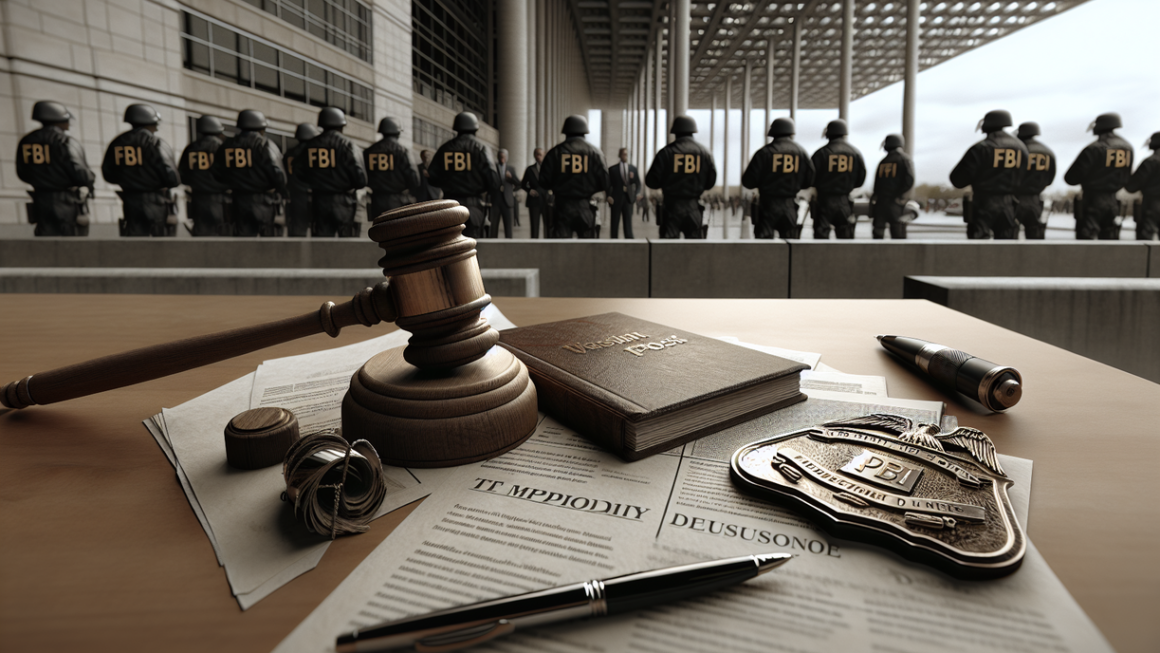
www.crystalskullworldday.com – In a stunning twist to breaking news about press freedom, a U.S. federal judge has temporarily blocked government investigators from reviewing data seized in an FBI raid on a Washington Post reporter’s home. The case, centered on alleged leaks of classified information, now sits at the crossroads of national security priorities and the constitutional promise of a free press. This breaking news moment raises urgent questions about how far authorities can go when hunting for sources behind sensitive stories.
This breaking news decision does more than pause a single investigation. It forces the country to confront a deeper tension: when do leak probes cross the line into intimidation of journalists? By freezing review of the seized items, the judge has created a rare window for courts, advocates, and the public to rethink how law enforcement treats reporters’ data in high‑stakes national security cases.
Breaking news: What this ruling really means
The breaking news order does not erase the raid or guarantee victory for the reporter. Instead, it creates a temporary barrier. Investigators must now wait before combing through devices, notes, and digital files taken from the home. This pause gives lawyers time to argue over what material deserves legal protection, including confidential communications with sources and privileged work documents.
At the core of this breaking news story lies a difficult balancing act. On one side, the government claims an urgent need to safeguard classified information and punish leaks that could endanger operations or personnel. On the other, journalists insist they cannot report effectively without access to insiders prepared to share restricted details. That tension has existed for decades, yet each new case pressures the framework a little more.
The judge’s move signals concern about potential overreach. When authorities seize a reporter’s phone or laptop, they do not only capture evidence relevant to one investigation. They also gain a window into years of professional communications, source lists, unpublished drafts, and personal data. This breaking news ruling recognizes that such a sweeping intrusion deserves careful, transparent oversight rather than automatic approval.
Press freedom, leak crackdowns, and the public’s right to know
Breaking news stories about classified leaks often spark polarized reactions. Some readers view leakers and their media contacts as reckless figures undermining security. Others see them as whistleblowers exposing abuses people in power prefer to keep hidden. Reality usually lands somewhere between those poles. Many leaks mix noble motives, professional frustrations, human errors, and political agendas. Courts must sift through all that complexity while respecting legal standards instead of public outrage.
History shows how leak prosecutions can chill investigative reporting. When the government treats routine newsgathering as a crime, sources retreat into silence. Reporters become hesitant to dig into sensitive topics, aware that even simple phone calls might draw surveillance. Breaking news coverage of this case therefore matters far beyond one newsroom. Its outcome could either reassure potential sources or signal that speaking with journalists carries life‑altering risks.
From my perspective, the judge’s temporary block reflects an understanding that press freedom is not an abstract ideal. It lives or dies through concrete decisions like this one. When law enforcement sweeps up a reporter’s devices, the damage cannot be undone. Even if courts later rule the search unconstitutional, confidential relationships might already be destroyed. That is why a careful, step‑by‑step approach, like the one triggered by this breaking news order, feels not just prudent but essential.
How this breaking news could shape journalism’s future
This breaking news flashpoint may reshape how courts handle digital searches targeting reporters. Expect stronger demands for special review procedures, clearer guidelines on what investigators can see, and perhaps renewed pushes for a federal shield law to protect source confidentiality. However the case ends, it already highlights an uncomfortable truth: when national security and journalism collide, the easiest path is often the most destructive. The harder route—slow, contested, deeply scrutinized—offers the best chance to defend both safety and a genuinely free press. Our willingness to choose that harder route will reveal how much we truly value democratic transparency and the fragile trust between reporters and their sources.