
 0
0
 0
0
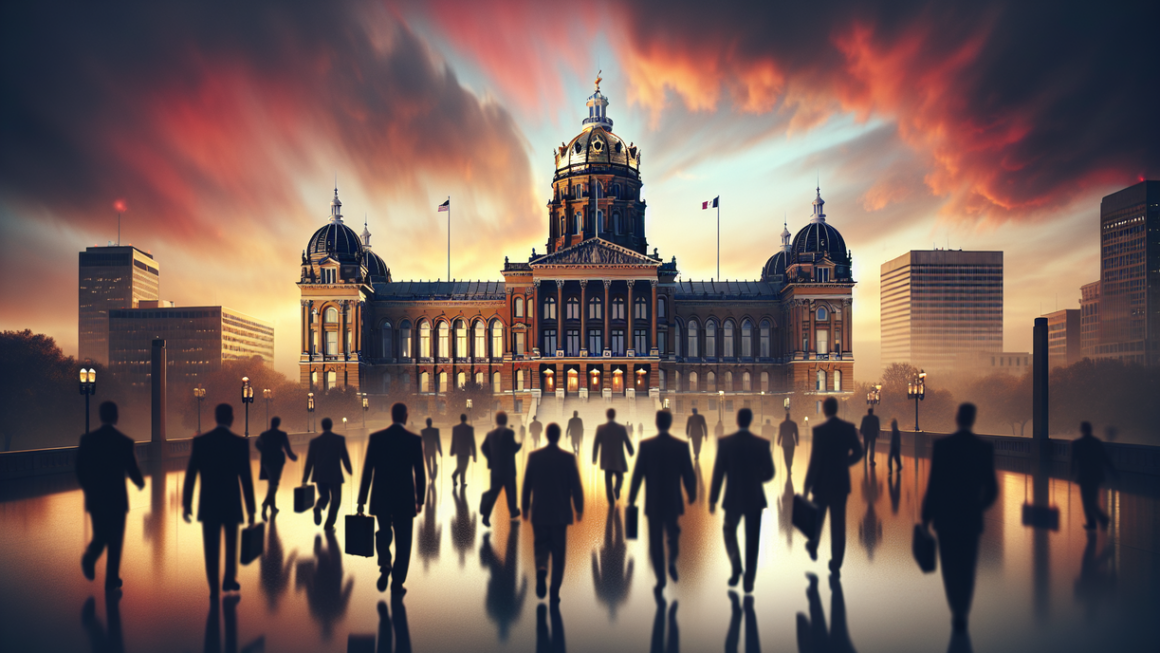
www.crystalskullworldday.com – Iowa politics is not usually a weekend sport, yet this year’s legislative session has pushed state lawmakers into rare Saturday work. The marble halls of the Statehouse in Des Moines are buzzing as legislators race to settle big-ticket issues before the clock runs out. Budget gaps, culture-war bills, and internal party disputes have all collided, turning what might have been a quiet weekend into a high-stakes scramble.
For people watching Iowa politics from afar, this Saturday meeting is more than a scheduling quirk. It reveals how much pressure has built up around unfinished priorities. Leaders want to close the books on major policy fights, lobbyists cling to last chances, and ordinary Iowans wonder which promises will survive final negotiations. The weekend session offers a raw look at how power truly operates when time grows short.
Why Iowa Politics Spills Into Saturday
When Iowa politics spills into a Saturday, it usually signals one thing: deadlines. The formal end of the session looms, yet the agenda is still crowded. Budget bills remain unresolved, policy packages wait for final amendments, and both parties feel the weight of election-year optics. No one wants to go home accused of leaving crucial work unfinished, so leadership calls in members for weekend votes.
These Saturday debates also reflect a long-standing tension in Iowa politics between steady government and ideological ambition. On one side, there is the routine business of funding schools, roads, and public safety. On the other, there are nationalized battles over curriculum, social policy, and regulation. When those two tracks collide late in the calendar, the result is marathon days that stretch into the weekend.
From my perspective, weekend lawmaking cuts both ways. It signals commitment to completing the job, yet it also exposes how much of Iowa politics now runs on brinkmanship. Rather than hammering out compromises earlier, lawmakers allow bills to pile up, betting that last-minute pressure will force deals. That approach might produce results, but it erodes public trust when citizens see key choices crammed into a few frantic days.
The Major Decisions Hanging Over the Capitol
At the center of this Saturday session is the state budget, the most basic test of Iowa politics each year. Crafting a spending plan requires agreement on revenue forecasts, agency needs, and tax priorities. When talks stall, everything else backs up. Lawmakers then face a choice: accept leaner programs, trim pet projects, or dip into reserves. Each option carries political consequences in an election cycle.
Beyond dollars and cents, Saturday work often revolves around polarizing bills that leadership does not want to leave unresolved. Education policy, especially related to what schools may teach about history, gender, or race, has become a recurring battlefield in Iowa politics. Proposals touching libraries, curriculum, or parental rights can generate intense floor debate. Pushing those topics into a weekend can either lower public attention or concentrate it, depending on how well citizens are tuned in.
There are also technical but consequential items that rarely make headlines. Regulatory tweaks for agriculture, small business, or health care can reshape daily life more than viral culture-war clashes. As I see it, Iowa politics sometimes gives these quieter bills too little public scrutiny because they move while cameras are focused elsewhere. A Saturday rush increases that risk, since even niche changes may slip through with minimal debate.
Winners, Losers, and the Future of Iowa Politics
Saturday sessions at the Statehouse expose the real hierarchy of priorities inside Iowa politics. The bills that move now are the ones leadership truly cares about, whether they involve tax policy, education rules, or symbolic resolutions for the party base. Some advocates will walk away celebrating hard-fought victories, while others see years of organizing undone in a single vote. For ordinary Iowans, the lesson is sobering but useful: if the future of your community hinges on legislative choices, watching weekday hearings is not enough. The most consequential moments may arrive on a Saturday afternoon when attention is thin, tempers are frayed, and deals are finally struck. Reflecting on this pattern, I believe Iowa politics will remain healthy only if citizens push for earlier debate, clearer transparency, and a culture that values thoughtful lawmaking more than last-minute drama.